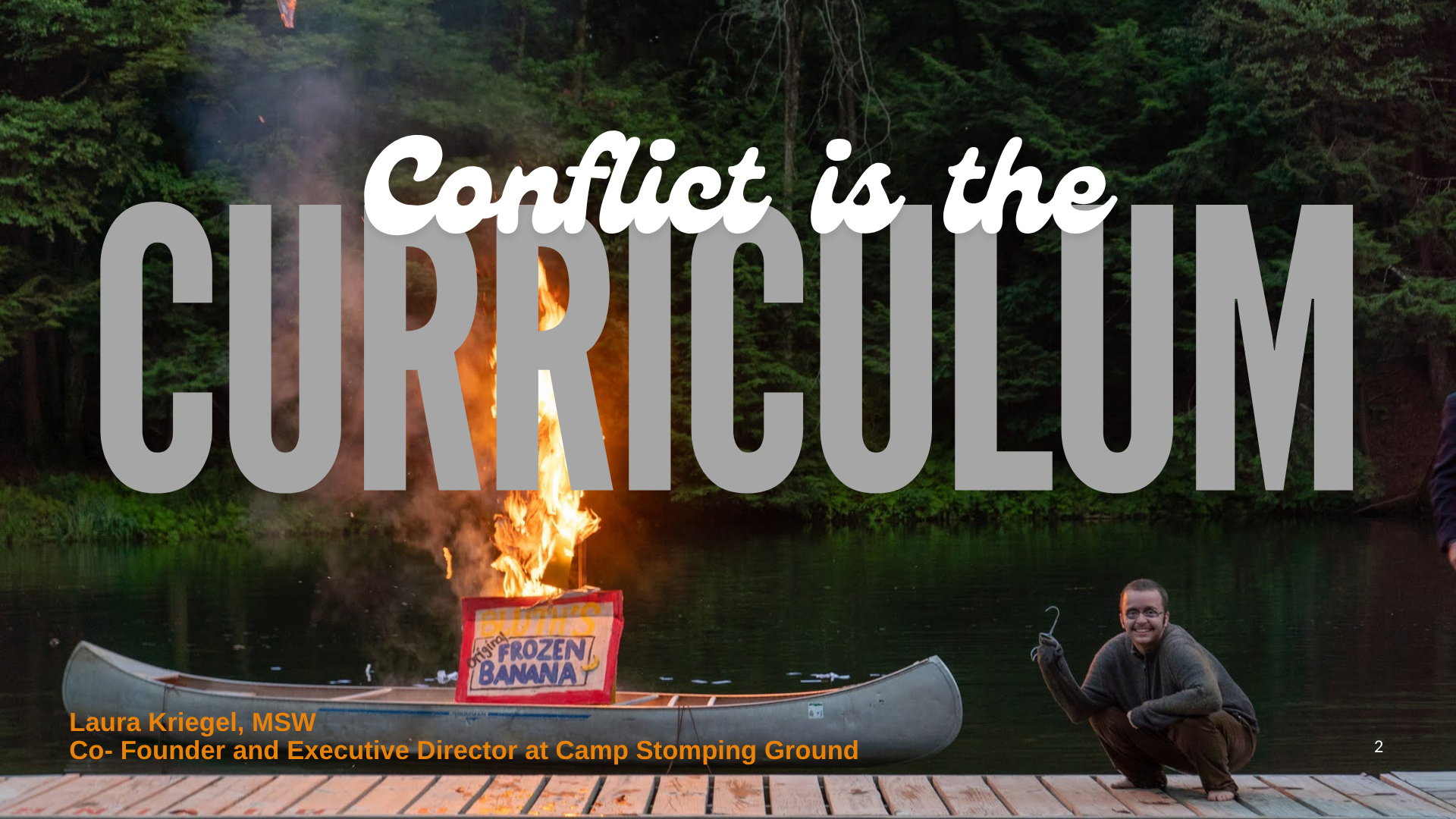
Conflict Is The Curriculum
or Finding Each Other Between Right and Wrong
We’ve always found ourselves being the rebels of the camp world. Never on purpose - but simply asking questions that other camp folks weren’t asking out loud. I felt that a little this year when I found one of my proposals accepted, but with its title changed.
What I submitted: “Conflict Is The Curriclum”
What showed up on the schedule: “Encouraging Intentional Dialogue in an Age of Division”
I want to give you a little peek into what that talk looked like and what reflections stayed with me after Tri-State.
⁜
I’ve been going to the Tri-State Camp Conference since I was about eighteen years old.
At first I went as a young counselor tagging along with the leadership team from my home camp, Camp Stella Maris. Later, Jack and I would return year after year while we were traveling around the country visiting camps, presenting on ideas we were collecting along the way. Back then our presentations were quick and punchy: “50 Tips and Tricks from Camps Across the Country.” They were fun, a little rebellious, and people seemed fascinated by the idea that camps could be laboratories for bigger ideas about youth, community, and leadership.
In our twenties we felt a little like the cool kids. The rebels. Over time, our paths started to diverge.
Jack has an incredible ability to stay in motion — building relationships, sharing ideas, and showing up year after year in the camp world. What started with the two of us traveling the country visiting camps has grown into a career where he now trains thousands of staff members and helps camps engage young people in the bigger purpose of what we do. Watching his rise in the industry has been amazing.
As our work evolved, our interests pulled in different directions. Jack leaned deeper into the systems that help camps grow and train staff well. I found myself pulled deeper into questions about people — conflict, empathy, restorative practices, trauma-informed care, and the psychology of how communities actually function.
Eventually those questions led me back to school at Columbia University, where I earned my MSW studying conflict, community systems, and restorative justice.
And yet here I am at 36 still asking the same question I was asking in my twenties:
What if conflict isn’t the thing that breaks communities,
but the thing that builds them?
A Place Between Right And Wrong
There’s a quote by the poet Rumi that I really resonate with right now:
“Out beyond ideas of wrongdoing and rightdoing there is a field. I’ll meet you there.”
I’ve thought about that line as a metaphor for what camp can be.
Not a place where we decide who is right and who is wrong.
Not a place where we punish people for making mistakes.
But a place where we meet each other in the messy middle. Where curiosity matters more than being right.Where disagreement becomes an invitation instead of a threat.
Why This Feels Urgent Right Now
If you spend time with young people today — or honestly, with adults — you start to notice something.
People are struggling to read each other. Struggling to tolerate disagreement. Struggling to sit in discomfort long enough to work something out. A lot of thinkers are writing about this moment from different angles.
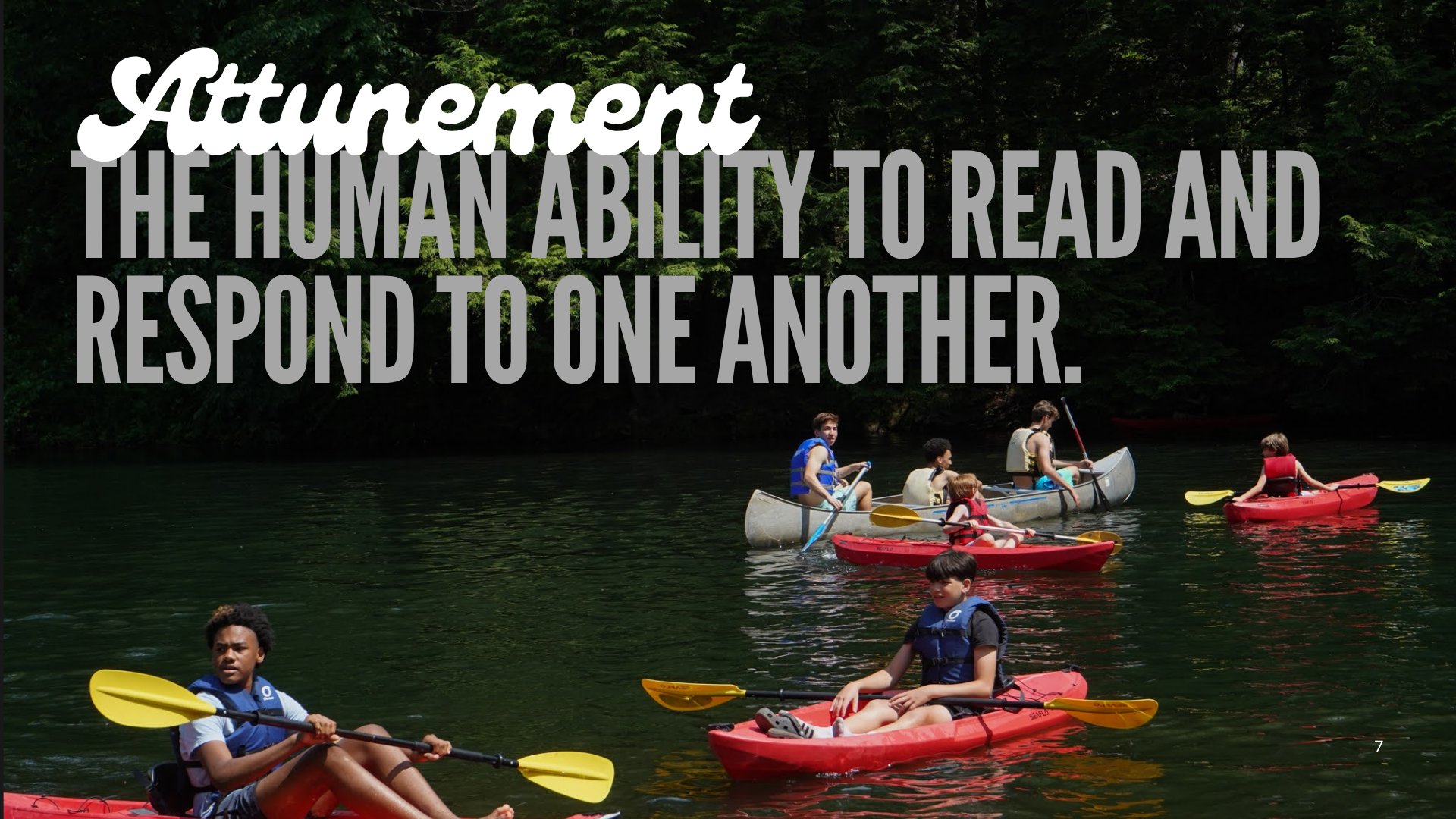
Jonathan Haidt talks about the decline of attunement — our ability to read social signals and connect face-to-face.
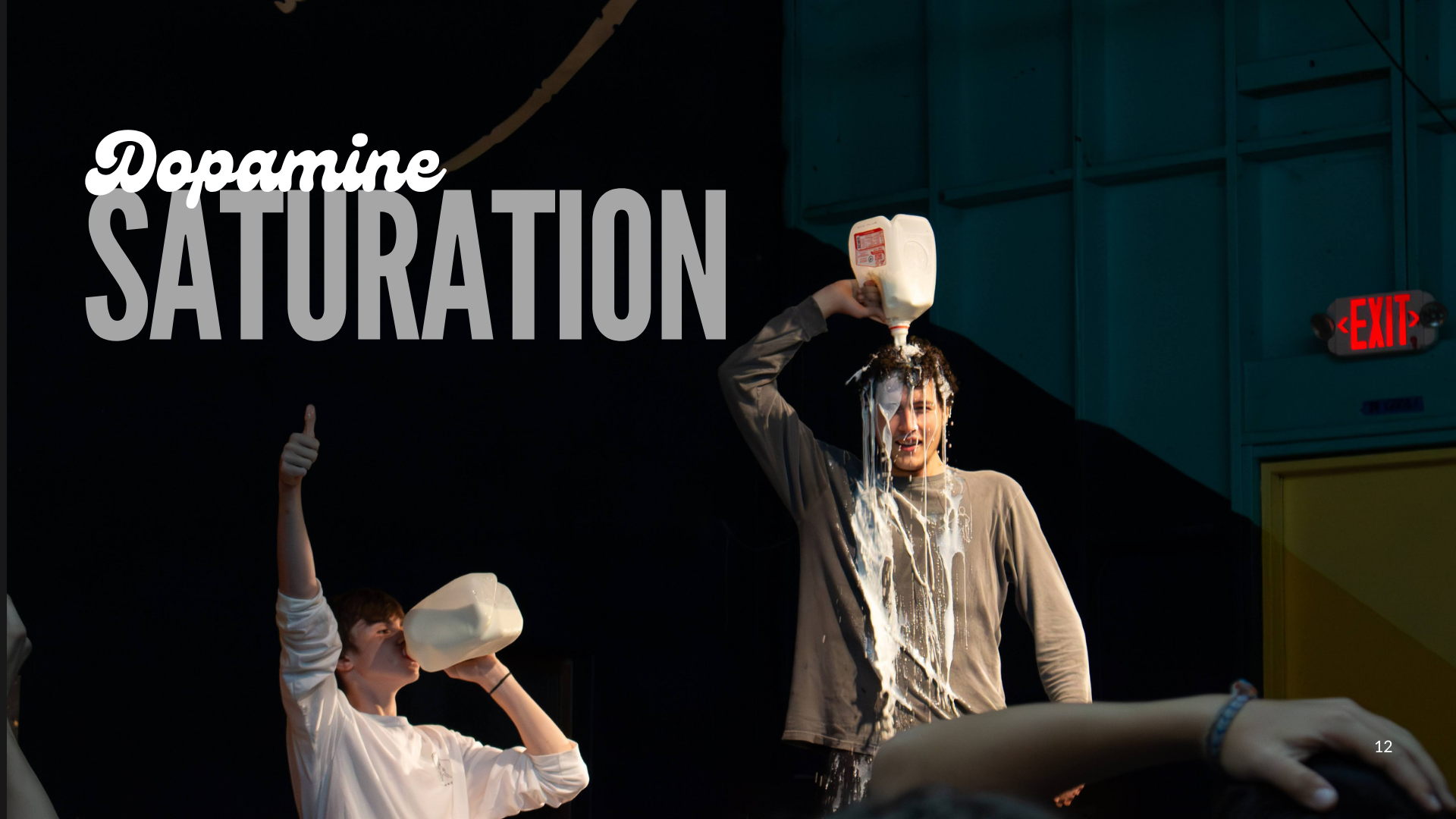
Anna Lembke writes about how the dopamine economy we live in has lowered our tolerance for boredom, frustration, and discomfort.
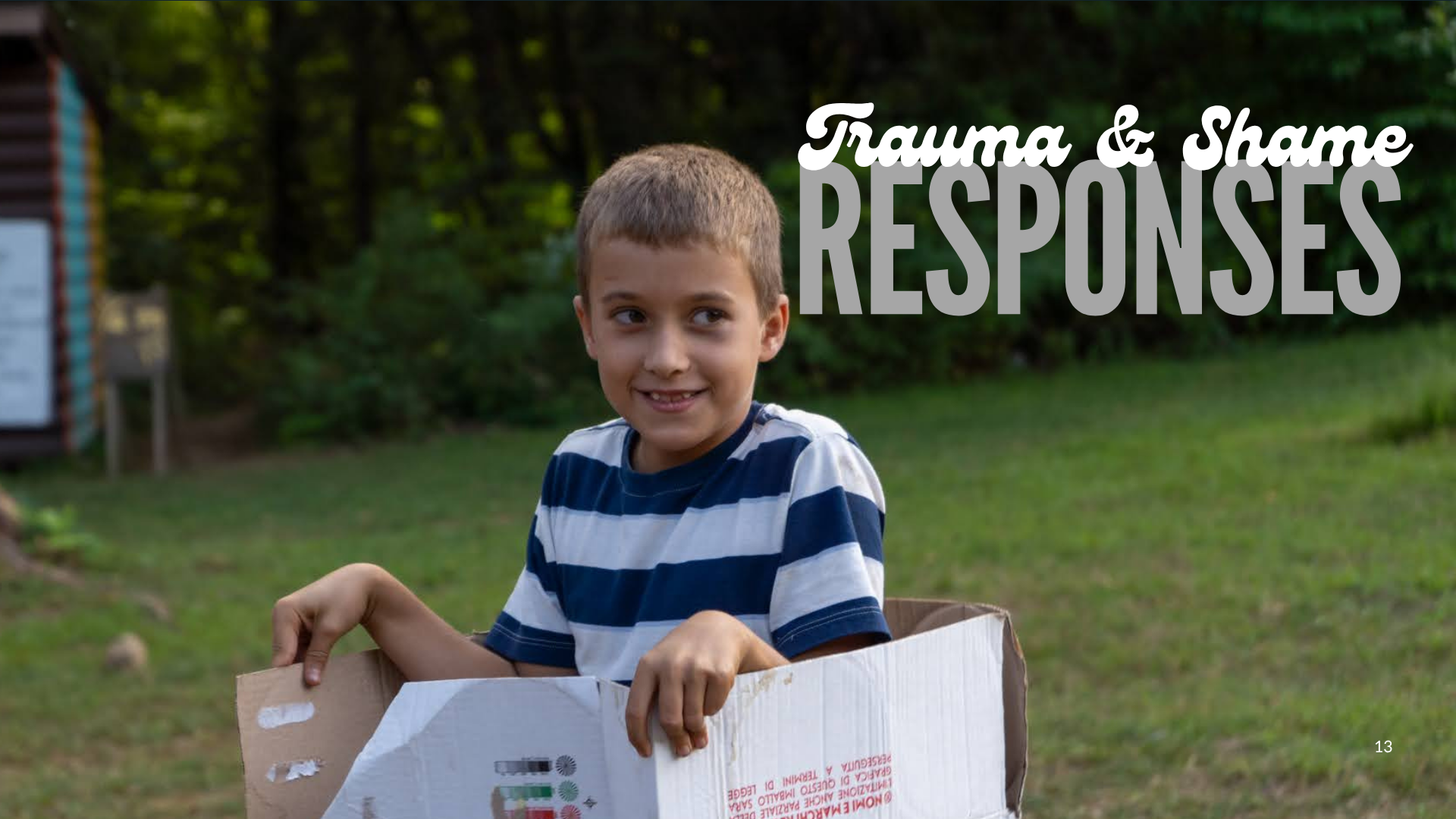
Paul Conti describes trauma not simply as painful experiences, but as the maladaptive patterns our minds develop to survive those experiences — patterns that can make connection harder later on.
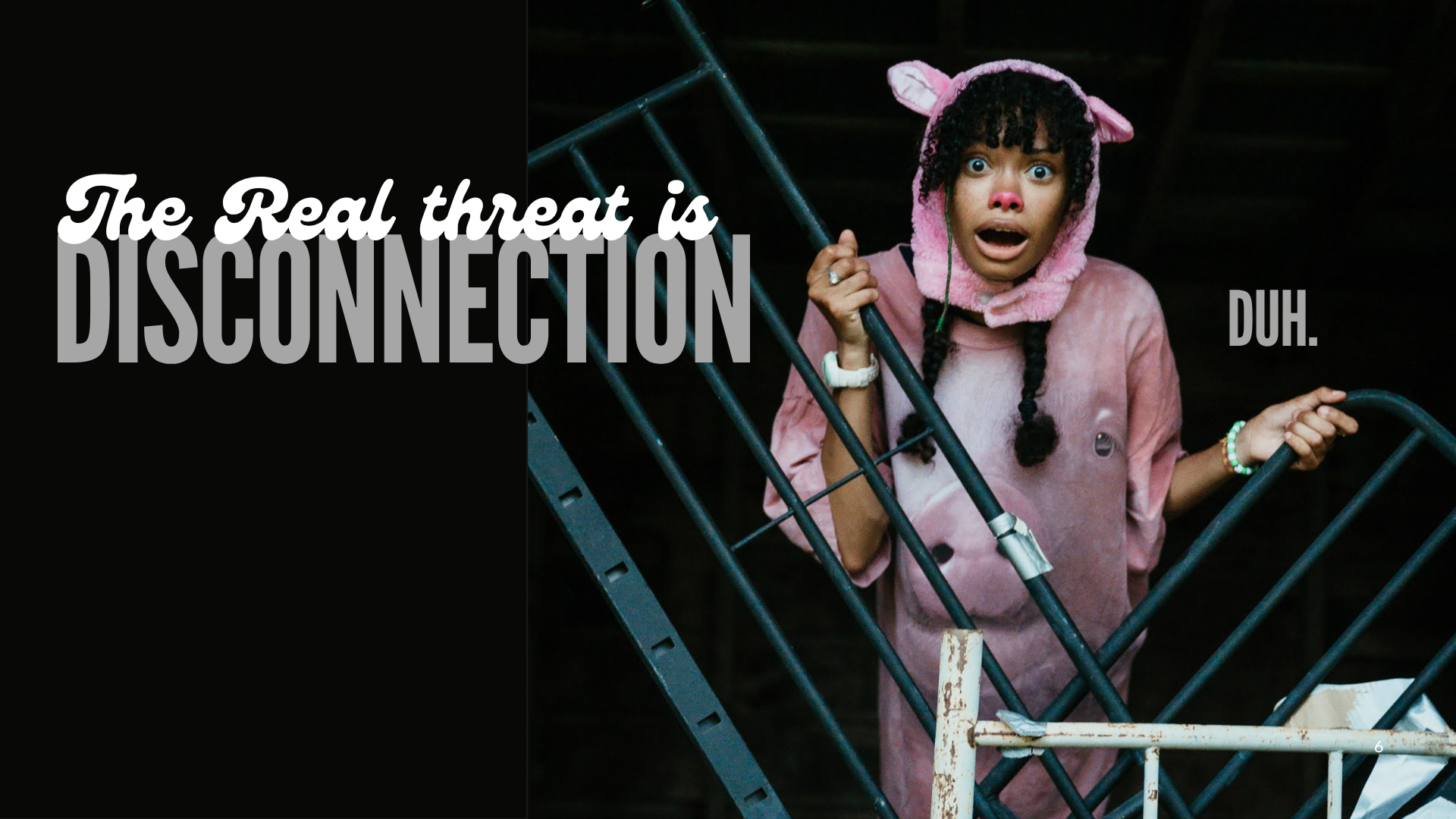
Different books. Different disciplines. But they are all describing the same phenomenon. Disconnection. And the loss of our ability to navigate it.
Attunement Is a Skill
Haidt writes that children need enormous amounts of attunement.
Attunement is the human ability to read another person’s emotional state — their tone, posture, expression — and adjust your behavior in response.
It’s how humans evolved to build trust.
But attunement isn’t something we learn from screens or lectures.
It develops through shared experience.
Through play.
Through conversation.
Through negotiation.
Through disagreement.
Through the thousands of tiny moments where we learn to read each other.Which raises a question: If attunement is declining in modern childhood…
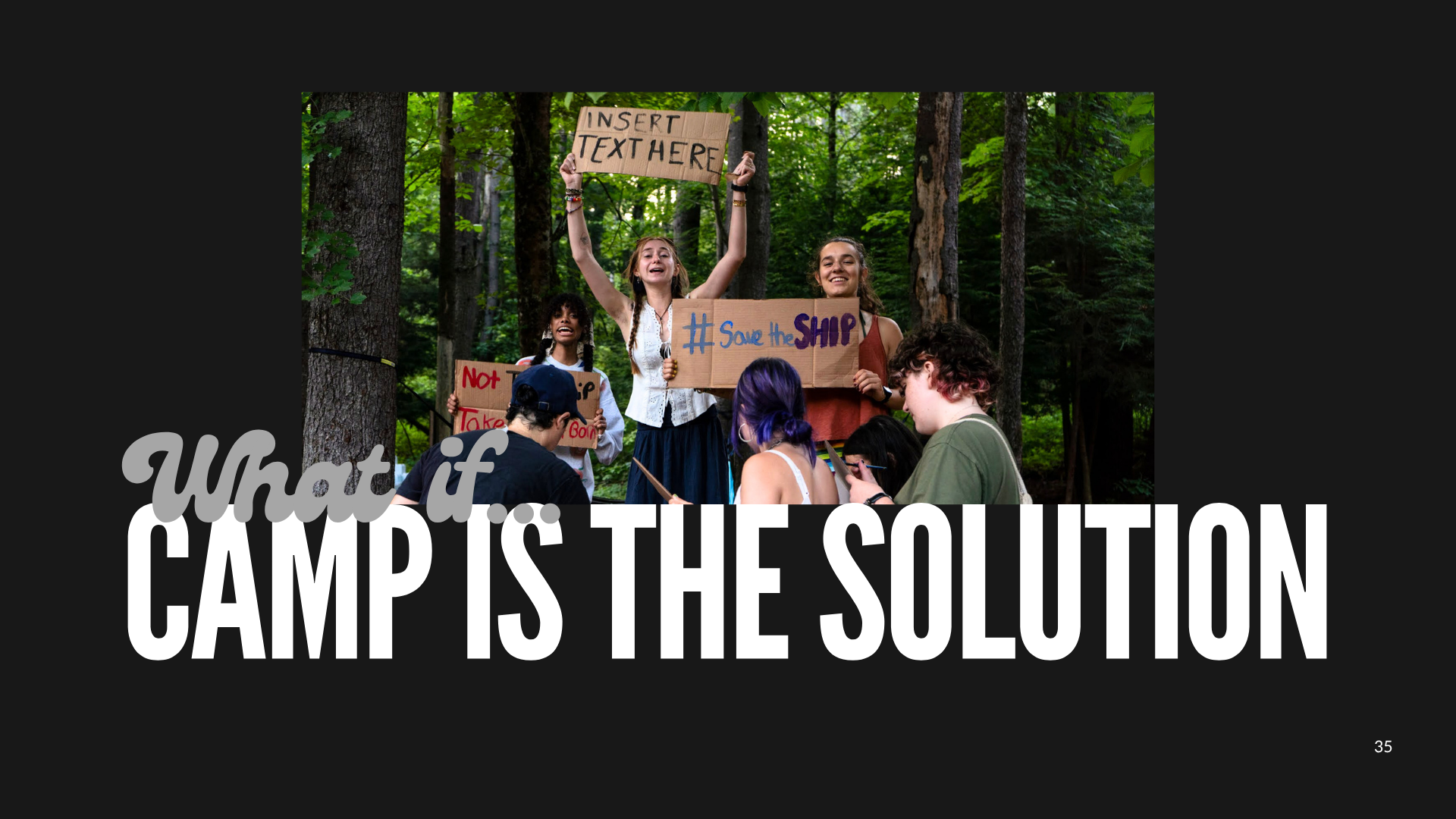
Where do kids still practice it? Camp.
At camp, kids experience:
Play.
Mixed-age friendships.
Mentorship from slightly older role models.
Long stretches of time together without interruption.
They learn how to disagree about the rules of a game.
How to negotiate a shared space with cabinmates.
How to repair a relationship after saying something they regret.
Not because we are teaching a lesson about conflict. But because the structure of camp makes those moments inevitable.
Conflict as Curriculum
When we say “conflict is the curriculum,” we don’t mean conflict for its own sake.
We mean that disagreement becomes an opportunity to practice something essential.
Perspective-taking.
Empathy.
Responsibility.
Repair.
The same skills that allow communities to function.
The Moment That Made It All Worth It
At the end of the first full day of the Tri-State Conference, I was sitting with several members of our leadership team. Many of them were once campers at Stomping Ground.
They had spent the day listening to presentations about youth development, psychology, leadership, and the future of the camp movement.
At one point one of them looked at me and said:
“Wow. I’m really proud to work here.”
Not because our camp is perfect. But because they were realizing that the values we practice every summer are part of a much larger conversation. A conversation about how small communities can shape the kind of world we want to live in.