Summer Camp Is a Health Equity Issue
When people talk about health equity, the conversation usually starts in a clinic. Who can see a doctor. Who can afford a prescription. Who gets screened and when. Those are real and urgent questions. But health isn't built in exam rooms. It's built over years, in the conditions that shape how a kid grows up, whether they feel safe, connected, capable, and like the world actually has a place for them. Researchers call these the social determinants of health, and they include things like early childhood development, sense of belonging, access to community, and the experience of being trusted with real autonomy. What I've come to believe, pretty firmly, is that a well-run summer camp touches all of them at once.
When my kid first started going to camp, I needed a scholarship to make it happen. I wasn't in a position to pay full price, and without financial support, camp simply wouldn't have been possible for our family. Now, years later, I'm able to send both of my kids paying full price. That arc feels full circle to me in a way I'm still processing. And I'll say this: the time I got to spend on myself while they were away, the breathing room, the space to work on who I was becoming, I think that's part of what made the rest possible. Camp wasn't just something that happened to my kids. It happened to our whole family.
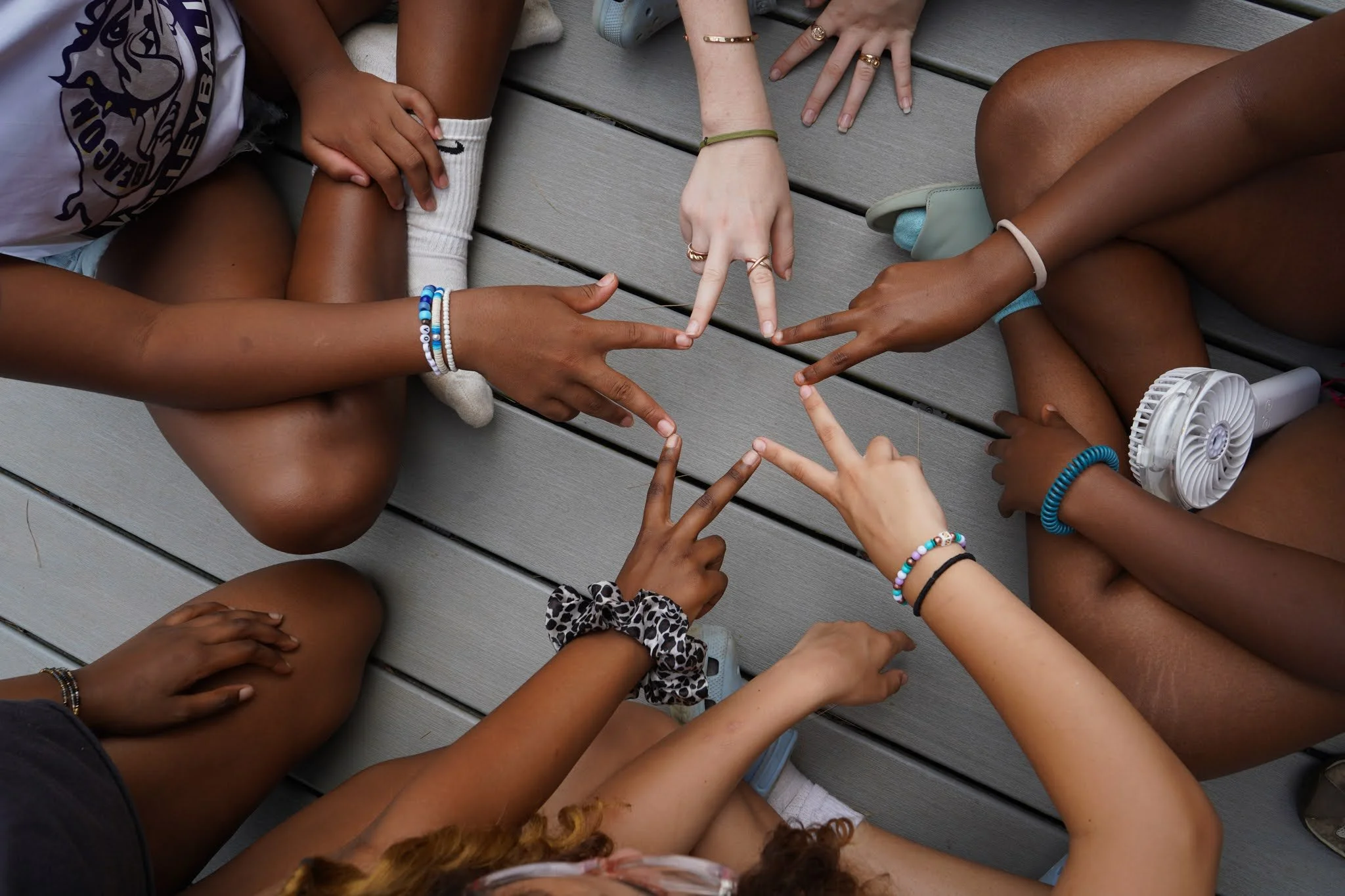
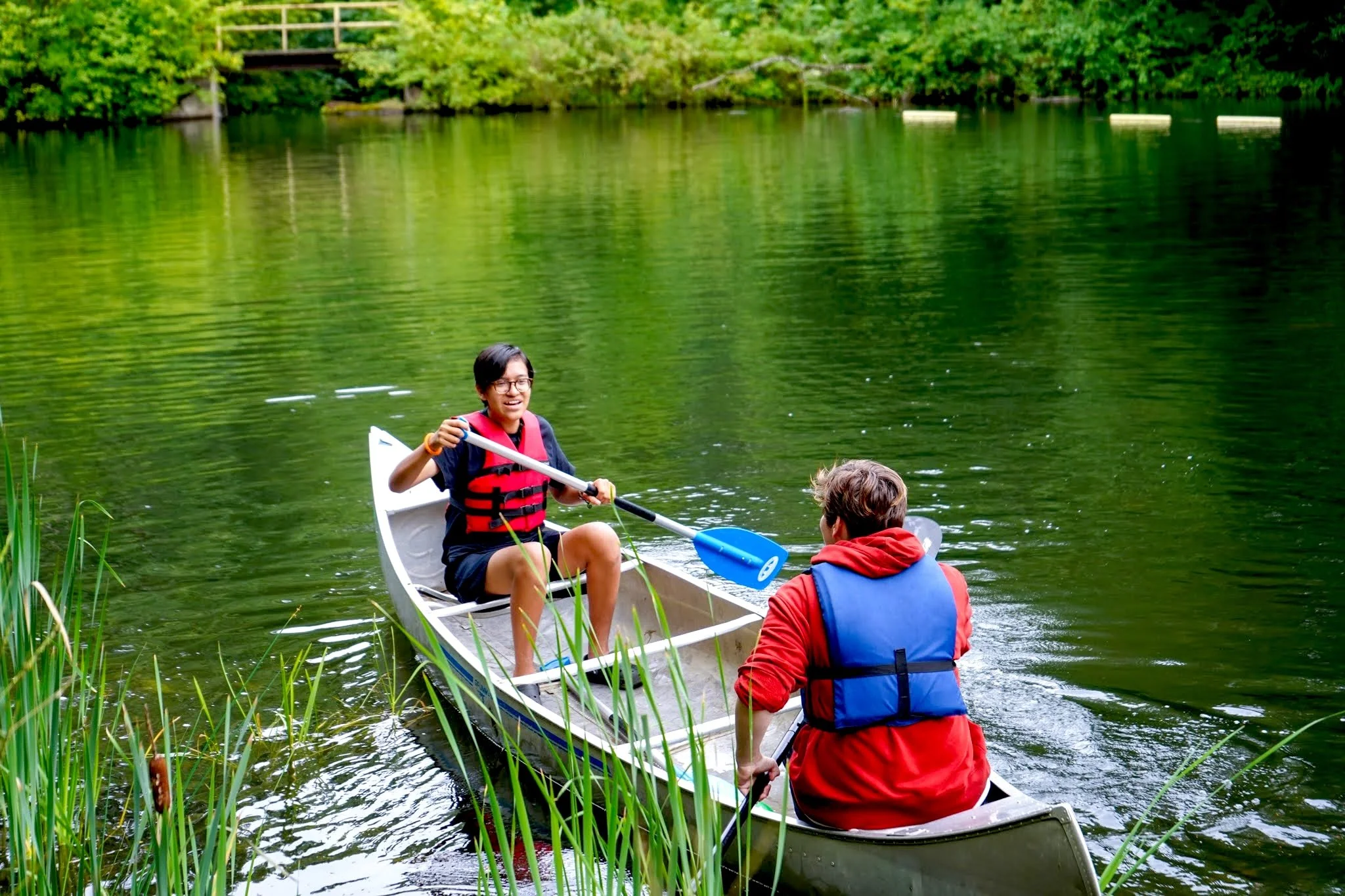
Camp Stomping Ground is built around an intentional commitment to diversity across race, income, background, and experience. Kids come from different zip codes, different family situations, different worlds. They live together, eat together, make decisions together, navigate conflict together. The camp runs on a trust-based sliding scale so that financial barriers don't determine who gets through the gate. This isn't charity. It's structural design. The community only works if it actually reflects the world.
And that design has real health consequences. A meta-analysis from the American Camp Association found that overnight summer camp has measurable anxiety-reducing benefits for young people, with kids who came in with the highest needs showing the greatest gains. A study published in JAMA Pediatrics found that children from low-income households who attended free summer camp actually decreased their BMI over the summer, while kids who stayed home saw increases. Psychologist Dr. Peter Scales, whose research informed the ACA's landmark national study on youth development outcomes, describes camp as one of the few institutions where young people can genuinely satisfy their need for physical activity, creative expression, and true participation in community, all at once. These aren't peripheral outcomes. They're the building blocks of lifelong health.
What I see at Stomping Ground is kids being handed real autonomy, over their choices, their voices, their days, often for the first time. Kids building trust with peers who don't look like them or come from where they come from. Counselors modeling what it looks like to be both confident and kind. Clinical psychologist Dr. Eve Whitmore describes this kind of experience as essential for building what she calls "inner strength," the capacity to believe that hard things are survivable. That capacity isn't evenly distributed in this country. It's shaped by access. And access, too often, is shaped by income.
That's the health equity problem that summer camp sits inside. Research shows that 80% of summer camp parents have incomes above the national median. Nearly half of all K-12 parents say they wished their children could participate in summer programs but couldn't. The gap isn't about interest or desire. It's about money. And the kids who most need what camp provides are the ones least likely to get there.
Camp Stomping Ground exists to close that gap, one summer at a time. The sliding scale is real. The scholarship fund is real. The community it builds across difference, across income, across background, is producing exactly the outcomes that researchers tie to better long-term health: empathy, resilience, belonging, and the deep belief that you are capable of more than you thought. We're not waiting for kids to get sick and then treating them. We're building the conditions for them to grow up well.
That's what health equity looks like before it becomes a clinical problem. That's what summer camp can be.